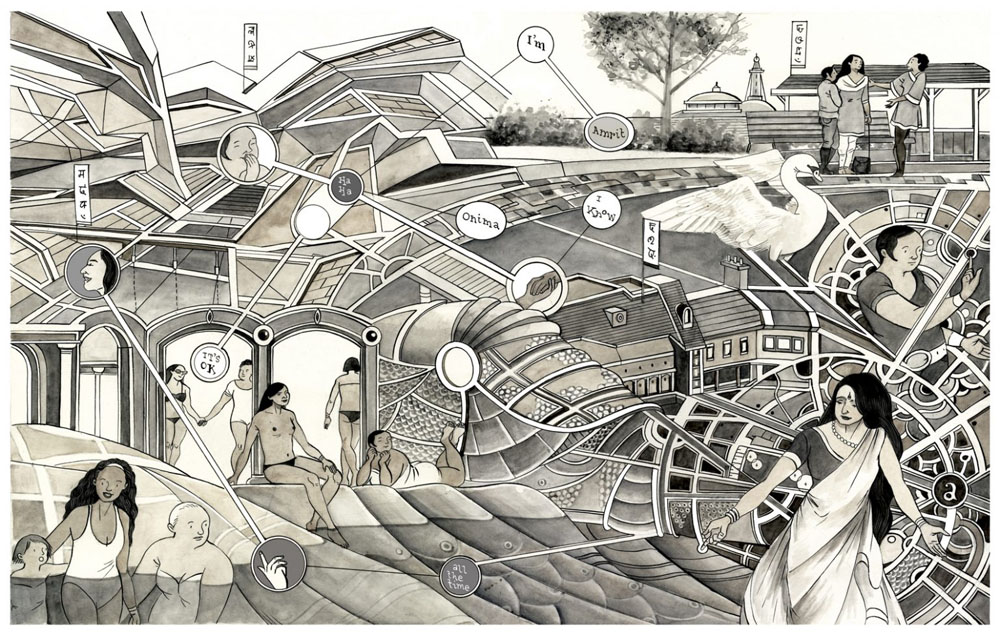
Martina Bischof on Pornotopia
Beatriz Preciado, as you might know, did this self-experiment with her body turning into a male human being. After that process she continued her writing with a male name. This I am gonna read.
15 June, 2021
Beatriz Preciado, as you might know, did this self-experiment with her body turning into a male human being. After that process she continued her writing with a male name. This I am gonna read.
In this article, Sarah Williams Goldhagen offers those in search of a different way of thinking about modernism – and, indeed, architecture more generally – a really significant steer. She moves away from relying on stylistic definitions and towards a positing of architecture as discourse: a set of debates about (in this instance) its relationship […]

This is a great book, chosen because of the type of architectural historical writing it exemplifies. It offers a careful and detailed historical analysis of the new building types that emerged out of social and urban initiatives such as Settlements, in the later 19th century. I love the way the spaces and forms of buildings […]
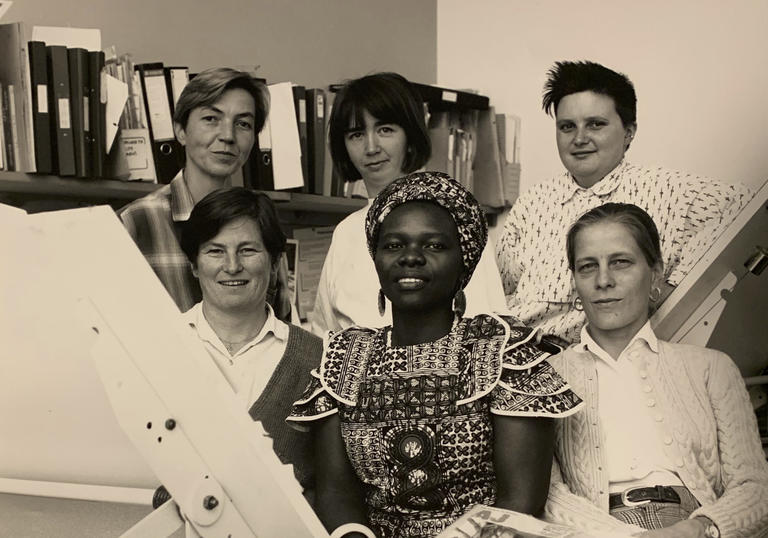
I read this while studying for my Master’s in Architectural History in 1990-91. It was key for me in seeing how one might challenge the unthinkingness in the discipline (still regrettably present) about who is thought to be worthy of study. I loved all the chapters but especially that by Barbara McFarlane, on the women’s […]
Published in 1938, Europe Rehoused became one of the most influential housing texts of the post-war era, and is still widely cited today (including my Master’s degree reading list). Written by the housing consultant Elizabeth Denby (1894–1965) it offers a survey of the nearly two decades of social housing built in six European countries since […]
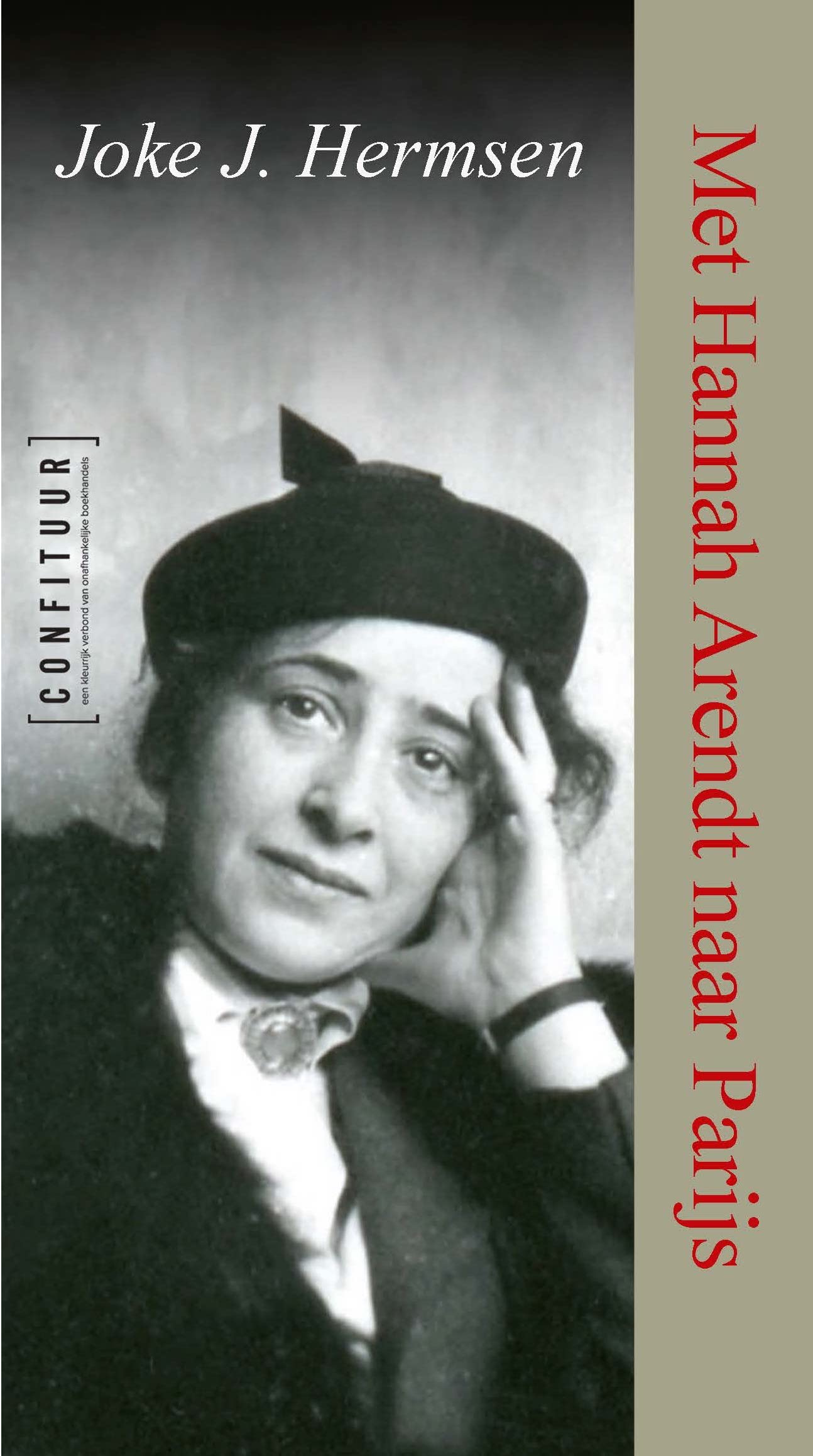
When I read Joke J. Hermsen’s essay ‘With Hannah Arendt to Paris’ I was amazed to realise that the philosophical framework I was taught until then only stretched between male thinkers. The bewilderment concerned the fact that this was the prevailing educational practice, but above all that I had never questioned it myself. Continuously opening […]
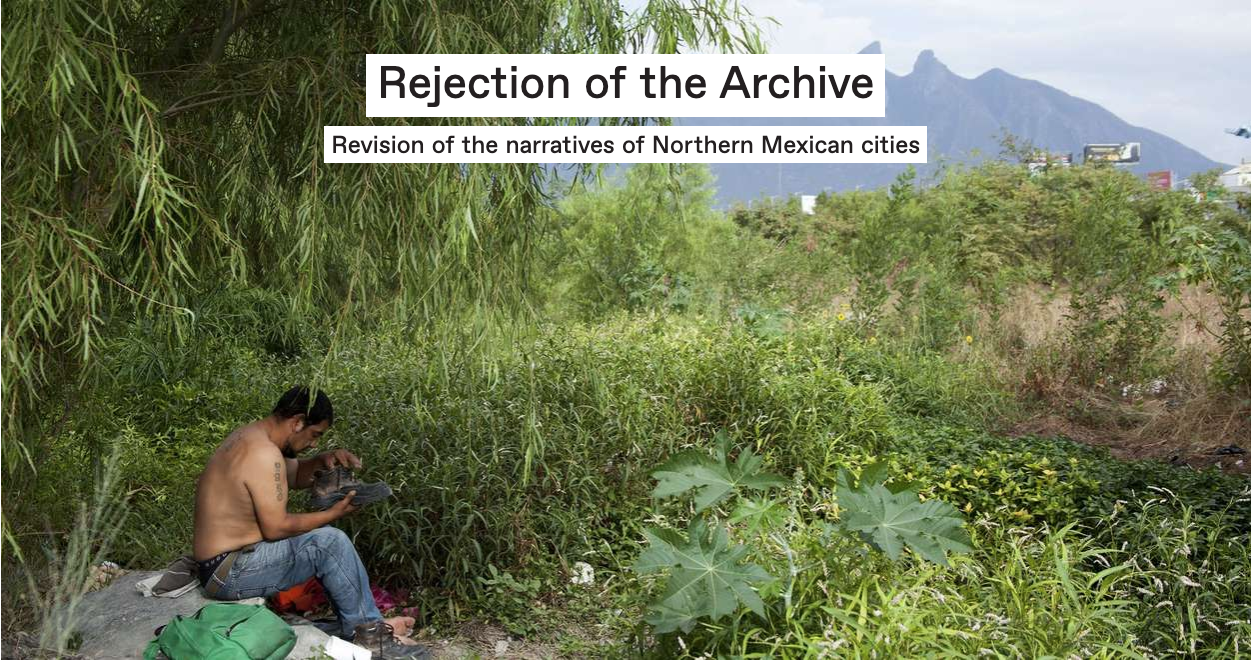
This emotional essay by Katia Zapata – the voice of Covachita architecture office in Monterrey, Mexico – comes the closest to my ideal of a Cartha article: it takes you by the hand through an unknown path while offering you the needed references to understand the ‘new’ you come in contact with. Her voice is […]
Before reading the AG4, I saw Sandra presenting its content at a small symposium at the Arkdes, in Stockholm, back in 2017. Besides a deep knowledge of the site’s past and present, Sandra shared with us a fantastic enthusiasm for both the Tiergarten and for the detailed, emotional analysis of it she had undertaken. While […]
Annebella is not an architect, she is a photography historian, researcher, and lecturer. This helps to give background to my surprise at how sharp and precise her takes on the typological analysis of photobooth are in this text. Without neglecting the sharing of the information specific to her background, Annebella expands on the formal, material, […]
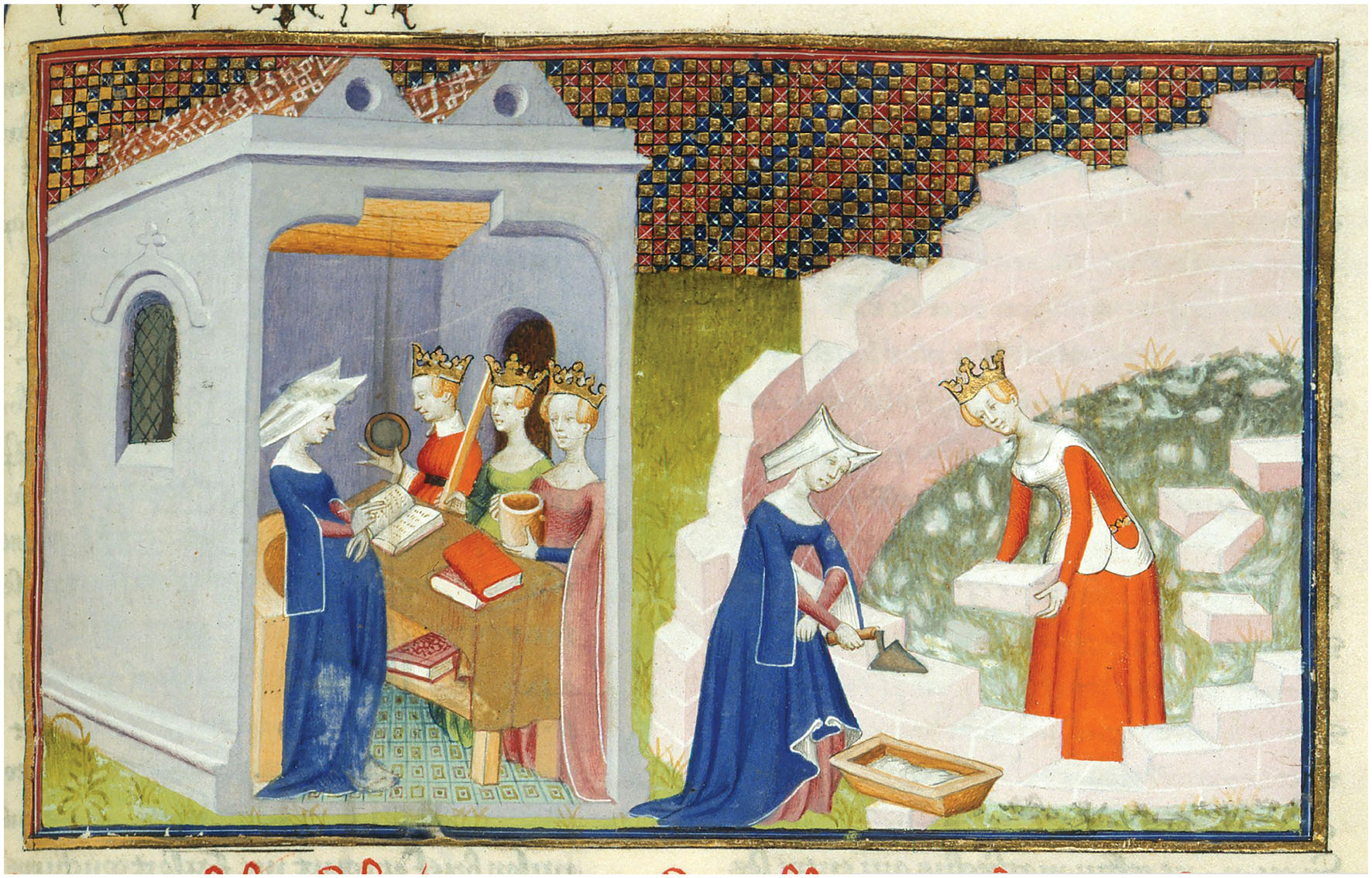
I came across this book whilst researching utopia and its built manifestations. While De Pizan’s book is not an architectural text, it does speak of the process of building a city, from foundations to detailing and populating. It proposes this new city in its materials, forms, and functions as a spatial manifestation of a message […]
This is the text of the opening speech from a lecture series entitled ‘The Problem of Space in Architectural Criticism’ that Lina Bo Bardi gave at the Escola de Belas Artes da Universidade Federal da Bahia in the Spring of 1958. I came across it in the Architecture Words series by AA Publications on my […]
This monograph on the life and work of Friedrich Weinwurm (1885–1942), one of the protagonists of the New Objectivity movement in Slovakia, does a few things. It is a handsome object that allures with carefully restored original documents and photographs of Weinwurm’s buildings today by Olja Triaška Stefanovič. By situating the work of Weinwurm in […]
I met Carla Frick-Cloupet, a young architect and PhD candidate at the l’Université Jean-Monet and the École Nationale Supérieure d’Architecture de Saint-Etienne, at a seminar, themed the ‘Norm and its Contrary’, at the architectural school in Rennes in early 2020. She delivered her rigorous yet playful reading of contemporary architectural production in France and Belgium […]

I first read this as a student. I worked in Waterstone’s bookshop and read everything as we had to be able to recommend books to customers. This was a Penguin Classic and went hand in hand with my obsession with everything French and ‘making’. This book is a short collection of David’s writing and takes […]
I can remember the anticipation of waiting for my copy of this to arrive. I was finishing my dissertation when I had read reviews of this book and ordered a copy. It was during a time in the 1990s when gender and architecture were a growing theme. This collection of essays made me react with […]
Of the numerous books and scores of articles – in the New York Times, Wall Street Journal, New York Review of Books, and elsewhere – all are important, but these three (Kicked a Building Lately?; Goodbye History, Hello Hamburger; and The Unreal America) come to mind as perhaps the most emblematic of her work. They […]
In her book Wanderlust, Rebecca Solnit unravels walking throughout time as a bodily experience interwoven with culture, politics, and society. Whatever the story or background, walking is always put in relation to the space that is walked in or at. From the perspective of this physical dimension, Solnit lets people bodily enter a story. Walking […]
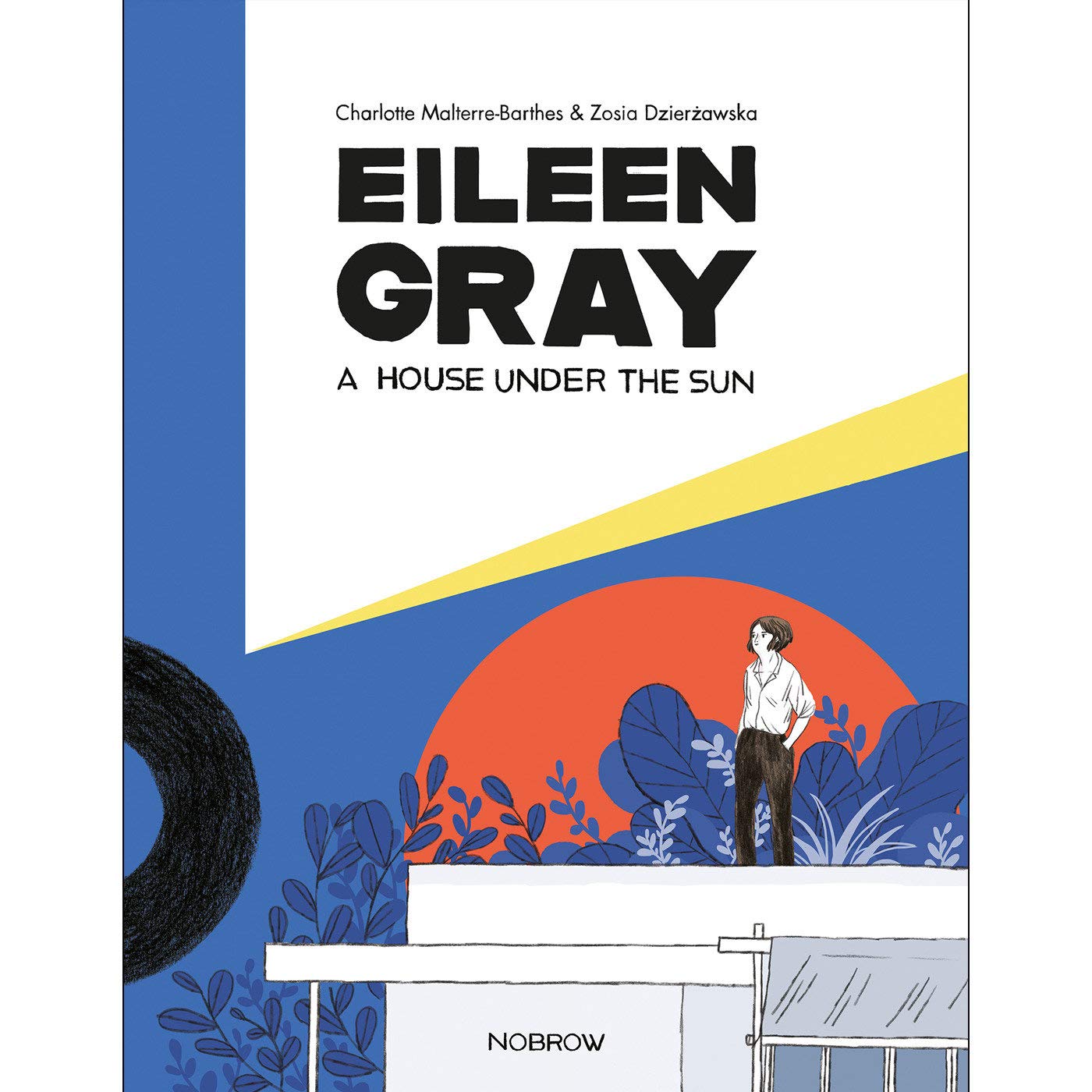
‘The beauty of the house is immeasurable, its kindness infinite.’ I felt very close to this book, although fantastic fiction is not my favorite genre. I absolutely loved the precise descriptions of the house in its grandeur, with all its many halls and sculptures, and its enormous ‘benevolence’ towards its inhabitant. I visualise it like […]

I have read parts of this book by the Leiden art historian Caroline van Eck for my PhD research on material culture in architecture, and I kept picking it up because is so insightful, but also because it is written so elegantly. Each chapter is systematically set up but also refreshingly compact, and every paragraph formulates ideas you […]
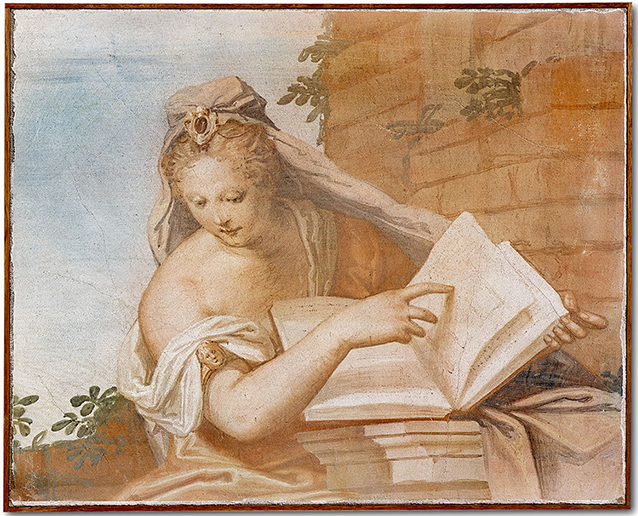
In the historical novel by the Roman writer Melania Mazzucco, the long life and work of the painter and architect Plautilla Bricci (1616-1705) are part of a precise but entertaining narration, which develops against the background of Baroque Rome. As a protagonist of the culture of her time, Plautilla appears alongside figures such as Gian […]

The screenplay for Fritz Lang’s legendary film Metropolis, which shaped the classic, albeit dystopian, image of the modern city, goes back to an often-unnamed author, Thea von Harbou, who was well known during her time as the writer of screenplays for the film. The script was preceded by a novel in which the disturbing and […]
In the nineteenth century, urban criticism was often formulated by the pen of travelling women, such as the Peruvian-French publicist and walker Flora Tristan (1803-1844), who processed her experiences as a single, working woman in her socio-politically committed writings. Five years before the publication of Friedrich Engels’ Die Lage der arbeitenden Klasse in England, Tristan […]

In a time when urbanism was mostly viewed from a technical and legal perspective, French art and architecture critic Françoise Choay offered a reflection on the modern city through the lens of theoretical discourse. Organising heterogenous ideas from various disciplines in ideological currents, such as progressism, culturalism, anti-urbanism, and naturalism, she pointed to the necessity […]

In summer 1939, Swiss pioneering architect Berta Rahm (1910–1998) undertook a long-desired trip to Scandinavia with the small prize money from an architectural competition she had won. Young, impecunious, and eager, she took detailed notes and sketches, commenting on the whole range of Scandinavian everyday culture and observing the progressive professional situation of women there. […]
Christine de Pizan, a successful writer and one of the first women living from her profession, aims with this allegorical text, to rehabilitate the position of the woman in society and in theory. She narrates a utopian project of a female community performing the conception, planning, and building of the city. This city is carried […]
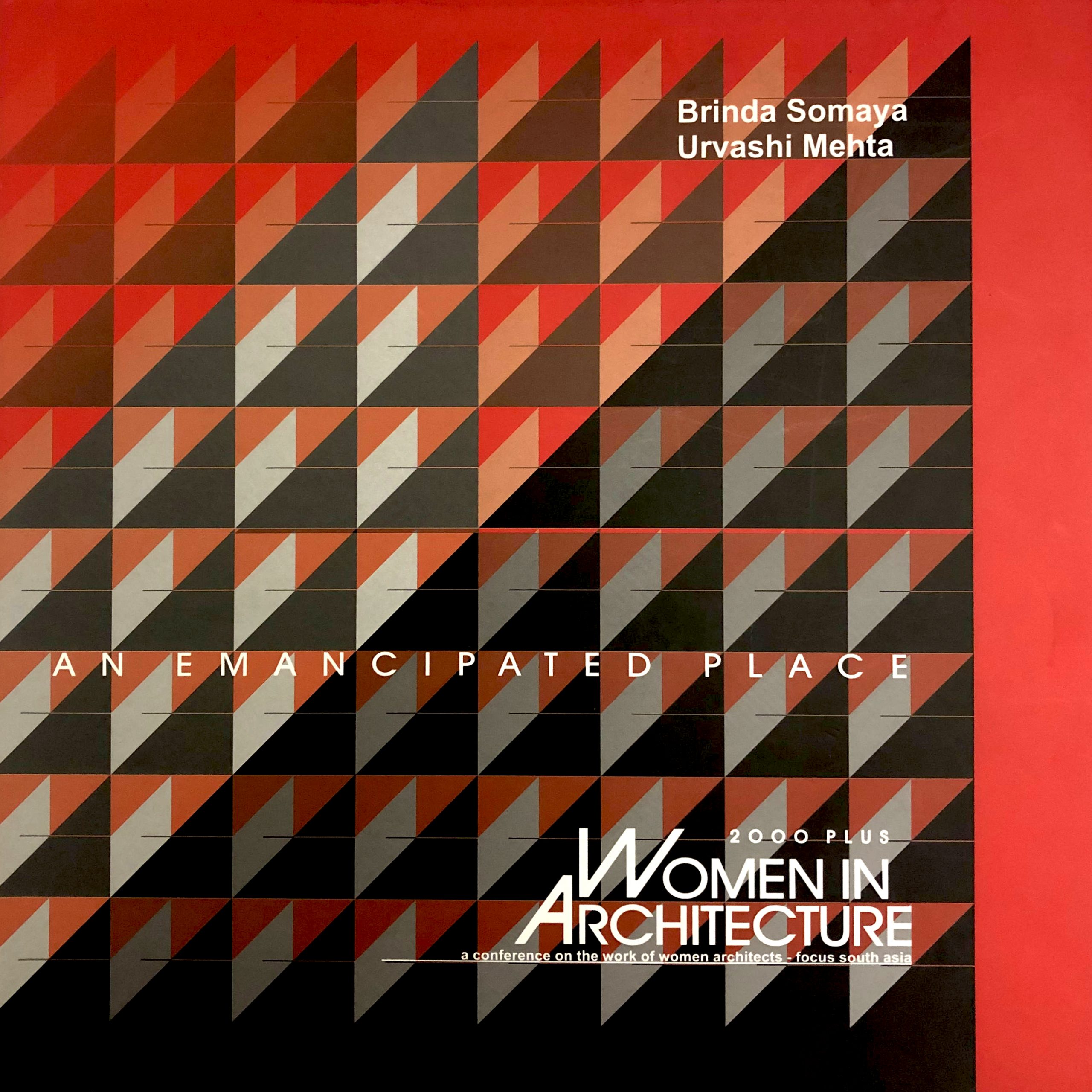
When I decided to organise the first conference of Women Architects, which was named Women in Architecture 2000 Plus I created it on the foundation that it be a celebration of women’s work. I did not want to focus on the negativity that we all have experienced in some way or another in our careers, […]
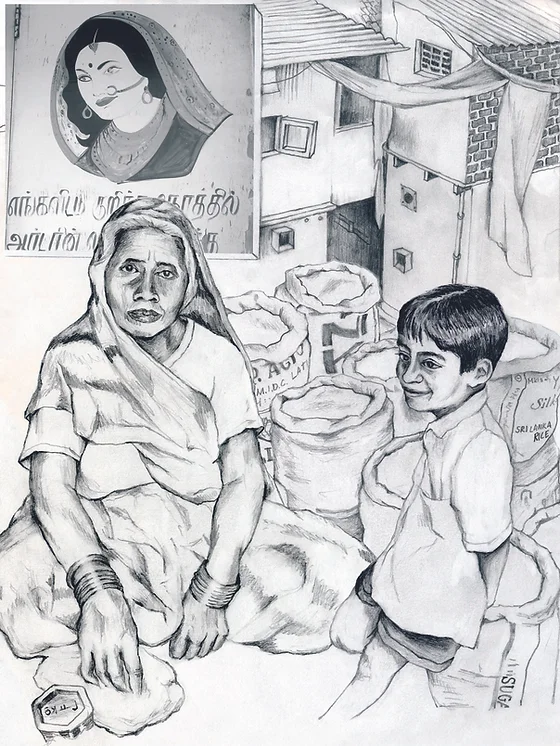
It is wonderous when the narratives of books are intertwined with one another. I first read Rediscovering Dharavi by Indian journalist Kalpana Sharma to gain insight into what is considered to be one of the Asia’s largest slums. However, growing up in Mumbai, Dharavi was always perceived differently – a place with its own distinct […]
In early ’90s I read The Clan of the Cave Bear and its sequel, the Valley of Horses, by Jean M. Auel. In these, I experienced the power of storytelling that can make history tangible. The author’s stance on women as carriers of knowledge and instrumental in change has left an indelible impression. But it’s […]

As a second year architecture student in 1986, I have this picture memory of me reclining in my dorm, flipping through an architecture magazine, (‘Architect and Builder’ or ‘Architecture + Design’), when I literally sat up. I was looking at the portraits of two saree-clad women! The facing pages featured projects by two architect sisters, […]
In recent years, the dialogues on gender politics and cultural conditioning as mentioned by author Deepa Narayan in her book titled Chup: Breaking the Silence About India’s Women. This book highlighted the importance of recognising a schism that has expanded my own world view, as well as the level of engagement with society too. I do […]
The ‘Women in Architecture in South Asia’ conference in the year 2000 by HECAR Foundation in Mumbai is a touchstone in my memory. The most striking moment that stands out distinctly from the three days of uplifting proceedings was the release of the book The Life and Work of an Asian Woman Architect by Minnette […]
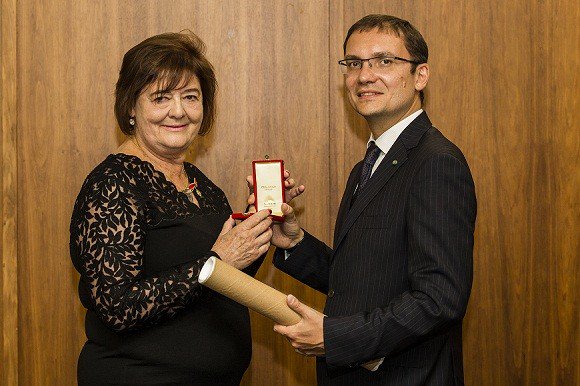
Most people do not know this, but the Australian academic and writer Jaynie Anderson received an Italian knighthood in 2015 from the Italian President, and is to date the only art historian ever to have been awarded the Order of the Star of Italy. In 1970 she was the first female Rhodes Fellow at Hugh’s […]
Another book about architecture and memory, a very recent one, this time examining its preservation through cast copies. This book is very close to my own research interests, and deals with the topic of ornament and its reproduction in a very novel way. Lending is really concerned with cast fragments not as isolated educational or […]
Cammy Brothers is a prolific Italian Renaissance scholar. She is closer to an art historian, but I also appreciate that her work is not concerned with the boundaries between art and architecture, which in fact reflects a very Renaissance stance. For Brothers to focus on Michelangelo’s drawings and what they reveal about his turn to […]
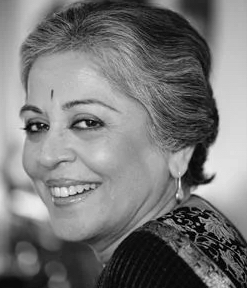
Full disclosure I was involved in planning this monograph, contributed an essay, and moderated one of its dialogues between Somaya and others. Still I am immodest enough to include it because this publication is an important departure from the typical architect’s monograph. It is really an archive between two covers, documenting a multifaceted practice of […]
In Janet Wolff’s article on the gendering of modern urban spaces, she argues that the flâneuse was not only invisible but really non-existent. Instead it was the flâneur, the male stroller and wanderer allowed to gaze and reflect on chance, fleeting, and impersonal encounters, that first Charles Baudelaire, Georg Simmel, Walter Benjamin, and then Richard […]

Published in 1971, Linda Nochlin’s essay was truly a clarion call. Written amidst the Second Wave of feminism, it has had many afterlives in books, journals, conferences, and course syllabi. It helped to create entire fields like women’s and queer studies. And it has resonated in disciplines and professions far beyond the arts and architecture. […]
Although there has been a Jane Drew Prize honouring innovation, diversity, and inclusiveness in architecture since 1998, writings about the award’s namesake are rather few in number: a tribute written by friends and colleagues on the occasion of her 75th birthday in 1986: a monograph on Drew and her partner and husband Maxwell Fry’s practice […]
A controversial book that should have an equivalent in architecture. Alice Coffin writes that she no longer wants to read male authors, in order to feed her imagination with other stories. ‘Men’s productions are the extension of a system of domination’, she explains. ‘They are the system. Art is an extension of the male imagination. […]
The hardest part of the book is when we realise that we are not too far from this situation and that the book was based on historical material. To be read again, while drawing the spaces of the protagonist’s life, where the story takes place.
This is a book that should be read by anyone working in the field of architecture, town planning, or housing. It operates on two levels. The first is related to historiographical methods. Hayden mobilises and encounters archives that were unknown. She inscribes them in a socio-historical context that reflects feminist thought and its political practices. […]
A Room of One’s Own is an extended essay published first in 1929, based on the lectures Woolf delivered at two women’s colleges at Cambridge University. Woolf’s writing is about the women’s struggle for independence and creative opportunity and is a landmark in feminist writing. At the commencement of the essay Woolf narrates how she […]
Currently, we enjoy opportunities to teach together. Teaching poses many challenges of an intellectual nature. The first and fundamental one is the objective: what content do you want to convey? What ideals or values are important to you and would you like to pass on? We are inspired by Hermann Czech’s words and works, and […]
‘Elizabeth, as they drove along, watched for the first appearance of Pemberley Woods with some perturbation; and when at length they turned in at the lodge, her spirits were in a high flutter.’ … So begins Volume 3 of Jane Austen’s Pride and Prejudice. I am not a great reader of early nineteenth century fiction, […]