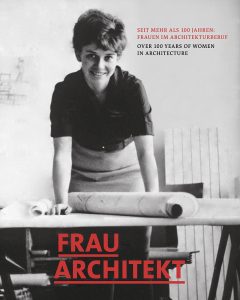
Frauen waren lange nicht sichtbar in der Welt der Architektur. Zeit, dass sich das ändert! Ein prächtiger Bildband feiert nun die Arbeit von zeitgenössischen Architektinnen und wegweisenden Pionierinnen.
Die Niederländerin Nathalie de Vries etwa ist mit ihrer an einen Bücherberg erinnernden Bibliothek (Spijkenisse, 2012) vertreten, die Dänin Lene Tranberg wird mit einem visionären Studentenwohnheim (Kopenhagen, 2005) vorgestellt, Farshid Moussavi aus dem Iran ist mit spektakulären Wohnhäusern (Montpellier, 2017) dabei und die in Pune, Indien, geborene und in Potsdam lehrende Anapuma Kundoo mit ihren „Full Fill Homes“ (Auroville, 2016): nachhaltigen, in Modulbauweise zu errichtenden Wohnstätten.
Ursula Schwitalla, Herausgeberin des reich bebilderten Buchs und Initiatorin einer Tübinger Vortragsreihe zum Thema, blickt darin zum einen in die Historie und weist auf berühmte Architektinnen hin, die trotz widrigen Bedingungen erfolgreich waren; etwa Julia Morgan (1872-1957), Elisabeth von Knobelsdorff (1877-1959) oder Lilly Reich (1885-1947), die erste Meisterin am Bauhaus. Zum anderen stellt sie den Status Quo dar und thematisiert aktuelle Missstände.
Women have long been invisible in the world of architecture. It’s time for that to change! A magnificent illustrated book now celebrates the work of contemporary female architects and pioneering women.
The Dutch architect Nathalie de Vries, for example, is represented with her library reminiscent of a mountain of books (Spijkenisse, 2012), the Danish Lene Tranberg is presented with a visionary student dormitory (Copenhagen, 2005), Farshid Moussavi from Iran is included with spectacular residential buildings (Montpellier, 2017) and Anapuma Kundoo, who was born in Pune, India and teaches in Potsdam, is represented with her “Full Fill Homes” (Auroville, 2016), which are sustainable dwellings to be built in modular construction.
Ursula Schwitalla, editor of the richly illustrated book and initiator of a series of lectures on the topic in Tübingen, takes a look at history and points out famous female architects who were successful despite adverse conditions, such as Julia Morgan (1872-1957), Elisabeth von Knobelsdorff (1877-1959) or Lilly Reich (1885-1947), the first female master at the Bauhaus. On the other hand, it presents the status quo and addresses current grievances.