Share this Collection
1 Citation in this Annotation:
Annotated by:
Rebecca Billi on L’isola di Arturo
9 January, 2026
L’isola di Arturo (Arturo’s Island) by Italian writer Elsa Morante is what the Germans call a bildungsroman: more than a coming-of-age story, its narrative unfolds the layers of those intricate experiences involved in the passage from childhood to adulthood.
In Morante’s book, architecture and context become metaphors of a journey that is everyone’s. The island is as much a character as the lead himself, the only true counterpart to Arturo’s story. It stands as an embodiment and monument of a universal experience: growing. The poetic beauty of the story lies in the gradual expansion of the boundaries of Arturo’s world as he matures. The island is the image of the main character, a magical space until it’s not. Although Procida is a real island in the Gulf of Naples, it comes across as permeated by a fairy-tale quality, and the boy’s perception of his surroundings removes it from time and space.
Arturo grows up in a nearly mythical land: inhabited by fantastic creatures and heroes; composed of cliffs, beaches, and sea. It is not merely the setting for his adventures but a layered symbolic space against which the boy continually defines himself, and that reflects his journey of growth. An embodied representation of childhood and wonder, it evolves and transforms alongside him. Morante’s architecture is a mythic structure, which she never describes in detail but rather through impressions, sensations and emotions.
Arturo’s microcosm grows as the book proceeds. First, he exists in the family house, the Casa dei Guaglioni: a vast building whose rooms are defined by the absence of both parents and by the myth of a father figure that only exists in traces. Leaving the house, he encounters the port, the prison, and the sea. Then, he exists on the island, the expanded mirror of his inner life. This is the stage of Arturo’s heroic gestures and youthful adventures, materialising and shaping his pursuit of glory and destiny. Yet, as time passes, the island loses its wondrousness. It becomes real. At the same time, Arturo changes. What once felt vast and enchanted, full of possibilities, becomes small and confining. His heroes are no longer shiny, and the mythical appears mundane. The architecture of his (constructed, imagined, magical) world is collapsing. There is only one possibility for him, and that is to leave.
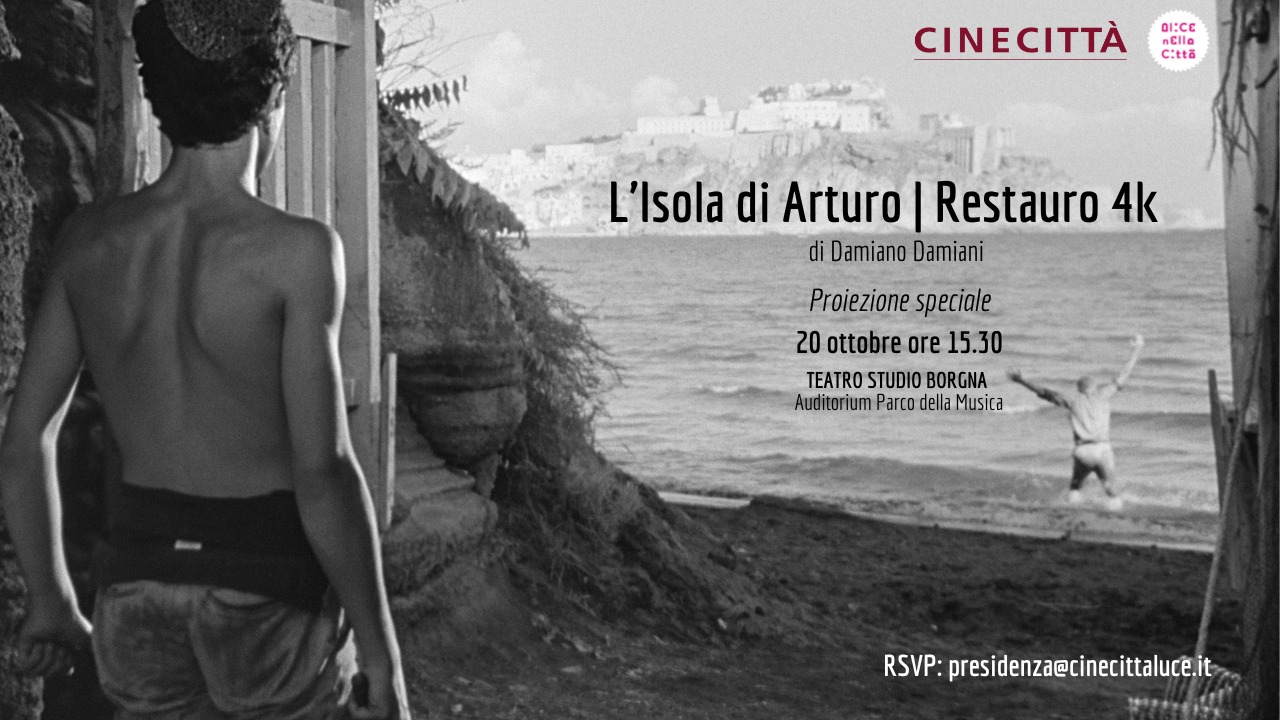
As in any relationship, timing is crucial in reading. Some books find us at exactly the right moment. I was first given L’isola di Arturo to read in high school. Like any teenager, I did not like to get any book forced on me, and I fully intended not to enjoy it. But I could not do that. To my great dismay, Morante’s story was one of those I could not put down, and I ended up finishing the book in a weekend. To this day, it is still the novel I recommend the most. It resonated with me before I could understand why. Now, looking back at it with a different perspective and about fifteen years after I first came across it, I can better see why: I had known that island, I had lived that island, and, like Arturo, I was on the verge of departing from it.
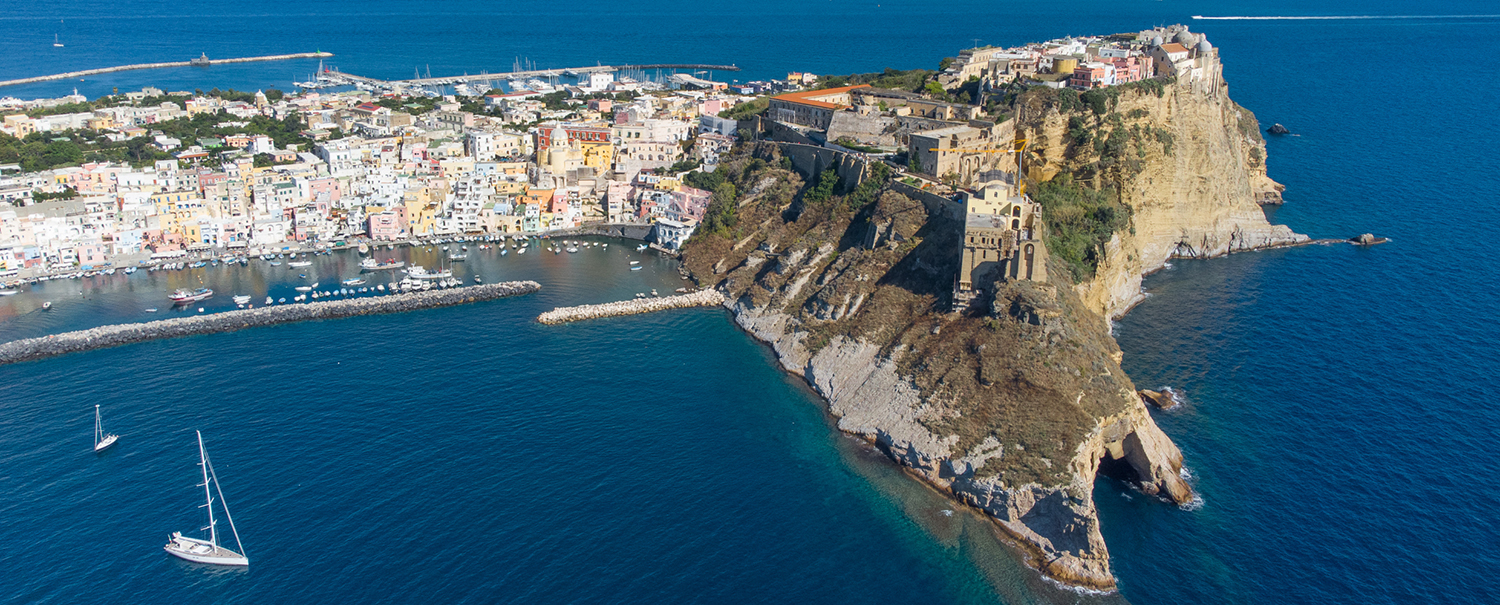
The island stays where it is as Arturo leaves it behind, both a symbol and a metaphor of youth. It becomes a memory, tangible and untangible at the same time, made of vaguely drafted rooms defined by echoes and suggestions: a mythical land.